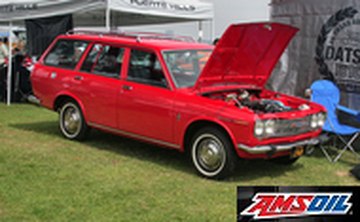
Maintaining Lubrication Standards for the 1982 Dodge Trucks B150 VAN 3.7L
Proper engine maintenance is a cornerstone of long-term vehicle health, particularly for utility-focused vehicles like the 1982 Dodge Trucks B150 VAN. When managing an engine with a 3.7L displacement, consistent attention to lubrication and fluid integrity ensures that mechanical components continue to operate within their intended parameters. While many maintenance tasks are straightforward, understanding how to monitor your vehicle's condition and select appropriate products is essential for effective ownership.
Monitoring Fluid Integrity and Potential Leaks
One of the most practical aspects of routine service involves a close inspection of the engine compartment for any signs of fluid loss. For an older vehicle, observing the cleanliness of the engine block and surrounding components can provide valuable information about its current state. It is helpful to look for dark staining or wetness around various sealing surfaces, which may indicate that gaskets or seals are beginning to show age-related seepage.
When performing a visual check, pay close attention to the area beneath the vehicle after it has been parked for an extended period. Any accumulation of fluid on the driveway can be a primary indicator that something requires investigation. If you notice changes in how much oil the engine seems to use between service intervals, this warrants a more thorough inspection of the engine's exterior and sealing components. Remember that many different factors can cause fluid to appear on the surface; therefore, any new or increasing signs of leakage should be investigated by a professional to determine the exact source.
Observing Changes in Engine Performance and Indicators
Beyond visual inspections for leaks, an owner should remain attentive to how the engine behaves during operation. Subtle changes in mechanical sounds or the appearance of exhaust can sometimes serve as early indicators that lubrication or other engine systems need attention. For instance, if you notice unusual noises while the engine is running, it may be worth checking all fluid levels immediately.
If your vehicle is equipped with dashboard warning indicators related to oil levels or pressure, these should never be ignored. An active warning light requires immediate investigation to prevent potential damage. Additionally, keep an eye on any changes in exhaust characteristics; while smoke can be caused by many different issues, it is always a signal that the engine's internal environment or combustion process should be evaluated. By staying observant of these symptoms, you can address potential concerns before they escalate into more significant mechanical issues.
Prioritizing Maintenance Based on Current Condition
As vehicles age, the approach to maintenance often shifts from strictly following a calendar-based schedule to a more condition-based strategy. For a 1982 Dodge Trucks B150 VAN, this means using the actual state of the vehicle to decide which tasks are most urgent. If you do not have a complete history of previous repairs and service, establishing a maintenance baseline is a wise first step.
To establish this baseline, begin by documenting all current fluid levels, the condition of visible hoses (if present), and the state of any accessible belts (if equipped). Reviewing any available service records can also help you understand if certain components have been addressed recently or if they are approaching a period where they might require attention. Rather than replacing parts simply because of the vehicle's age, focus on addressing active leaks, unusual noises, or signs of wear that you have personally observed. This targeted approach ensures that your maintenance efforts are directed toward the areas that will provide the most benefit to the vehicle's continued operation.
Managing Aging Components and Systems
Maintaining an older engine involves more than just changing oil; it requires a holistic view of the various systems that support engine health. If equipped, inspect accessible drive belts for signs of deterioration such as cracking, glazing, or fraying. Similarly, if your vehicle utilizes various hoses for cooling or vacuum systems, check them for stiffness, bulging, or visible cracks. These components are subject to heat and age, and their condition can impact the overall stability of the engine environment.
Electrical connections and wiring should also be inspected periodically. Over time, connectors can become brittle or develop corrosion, which may affect how various sensors or ignition components function. Ensuring that electrical paths remain clean and secure is a proactive way to prevent intermittent issues. By combining these small, regular checks with your standard lubrication services, you create a comprehensive maintenance routine that respects the age of the vehicle while focusing on its actual mechanical needs.
The Role of Clean Lubrication in Engine Health
Engine oil performs several vital roles that are necessary for the continued operation of the 3.7L engine. Beyond simply reducing friction between moving parts, the lubricant helps to manage heat and carry away contaminants that can accumulate during the combustion process. Over time, even high-quality oil can become saturated with these byproducts, which may lead to the formation of deposits or sludge if the oil is not changed according to a proper schedule.
Maintaining clean lubrication is about more than just preventing wear; it is also about ensuring that the engine's internal environment remains stable. Fresh oil provides the necessary chemical properties to resist oxidation and maintain its effectiveness under varying operating temperatures. When you perform regular service, you are not just replacing a fluid; you are refreshing the protective barrier that helps keep the engine's internal components clean and functioning smoothly.
Practical Guidance for Buying Engine Oil for your 1982 Dodge Trucks B150 VAN 3.7L
When it is time to replenish your engine's lubricant, the most important step is to ensure that the product you select matches the specific requirements of your application. Because different engines have unique needs regarding chemical composition and flow characteristics, you should always refer to the vehicle-specific oil viscosity and application information already displayed on this webpage.
Before making a purchase, carefully check the product labeling to confirm it meets the appropriate API certification for your needs. You may encounter various formulations, including conventional oils, synthetic blends, full synthetics, or high-mileage formulations. Some high-mileage oil formulations contain additives intended for use in aging engines, and some high-mileage formulations include seal-conditioning additives. However, the choice between these types should be guided by the specific information provided for your 1982 Dodge Trucks B150 VAN 3.7L rather than general assumptions about age. Always match the engine oil to the application-specific viscosity information shown above to ensure the best possible results for your engine.